Birds · updated 18 September 2026
The bird apps
Merlin, BirdNET, BirdNET-Pi and BirdWeather — what each one is, and how they fit together.
Merlin Bird ID
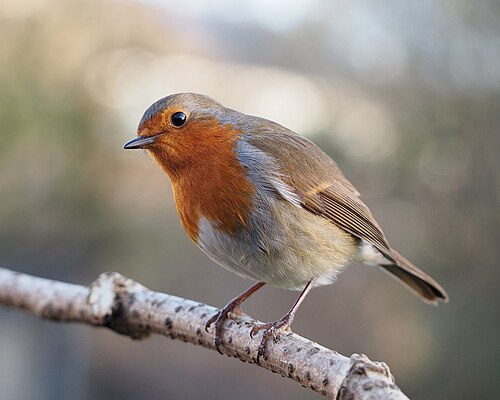
Merlin Bird ID is the easy way in. It’s a free app from the Cornell Lab of Ornithology, and you can have it running on an iPhone or Android in about two minutes—download it from the App Store or Google Play, open it, and it walks you through picking your region and downloading the local birdsong pack. After that it works offline, which is handy out in the woods with no signal. You tap the sound button, hold the phone up, and it names the birds as they call, often several at once. It’ll also identify birds from a photo or a few quick questions. Sound ID covers roughly a thousand species across Europe and North America, so it’s aimed at the everyday birder rather than a research scientist. It’s the one to start with—no equipment, no cost, no fuss.
BirdNET
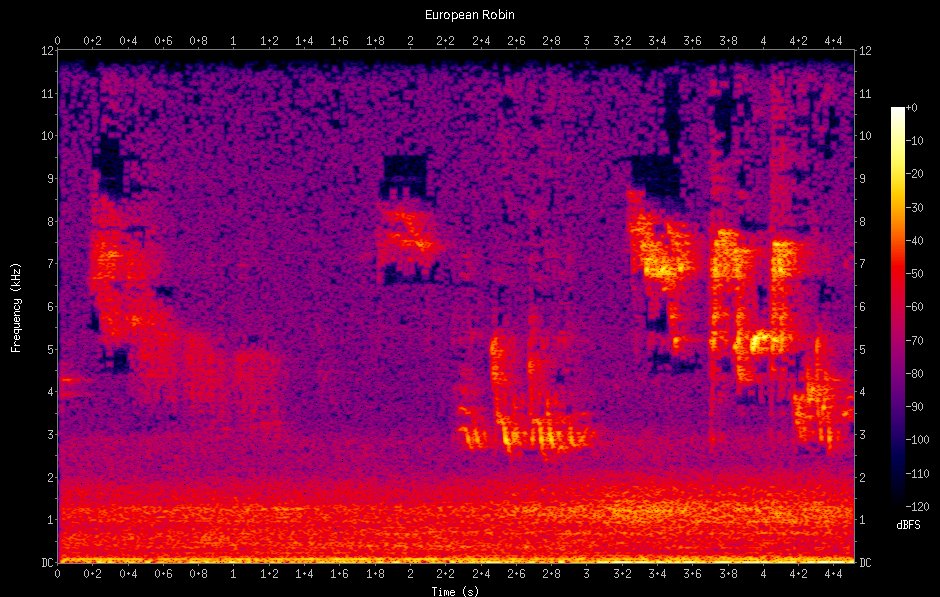
BirdNET is the clever bit underneath. It’s an open-source research project from Cornell and Chemnitz University that can recognise over 6,000 species worldwide, and it’s the technology that powers Merlin’s sound ID and most of the other tools here. It isn’t really a consumer app so much as an engine—researchers run it on small computers in forests, developers build their own projects with it, and there’s a BirdNET app for phones as well if you want to record and contribute directly. Think of it as the brains behind the operation.
BirdNET-Pi
BirdNET-Pi is the hobbyist’s build. It turns a small Raspberry Pi computer and a USB microphone into a listening station that runs day and night on its own, identifying whatever sings nearby and keeping a log. You don’t need to be technical to do this—there are plenty of step-by-step guides online, and the community is helpful—but it is a small project rather than a plug-and-play gadget. The one thing worth spending a moment on is the microphone. You want one that can hear a fairly wide frequency range, because birdsong sits high up the scale, but it doesn’t have to be expensive—mine certainly isn’t. A modest USB mic with decent high-frequency response will do the job fine. If you’d rather skip the building, there are ready-made stations you can buy that do the same thing.
BirdNET-Pi → · the code on GitHub → · what mine has recorded →
BirdWeather
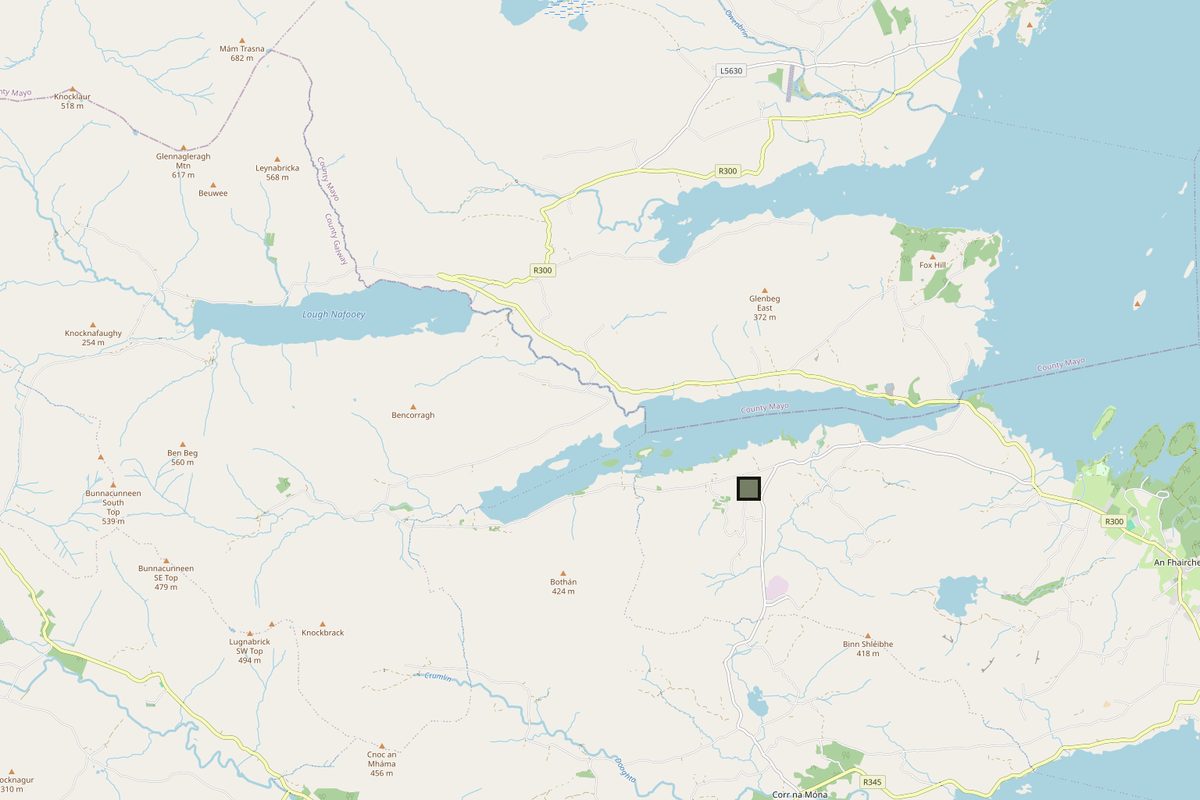
BirdWeather is where all of this comes together, and it’s the part that makes it genuinely worthwhile. It’s a citizen science project, open to absolutely anyone, and the whole point is that it’s built from lots of small, inexpensive setups rather than a few expensive ones. Every BirdNET-powered station—whether it’s a home-built Pi, a bought device, or just your phone—can send its detections to a shared global map. Your garden in Connemara joins thousands of others around the world. You can look up what’s been heard near you, see the patterns across a day or a season, listen back to recordings, and know that your quiet bit of countryside is contributing to something real. No lab coat required. If you already record birdsong with an app or a mic, you’re most of the way there already.